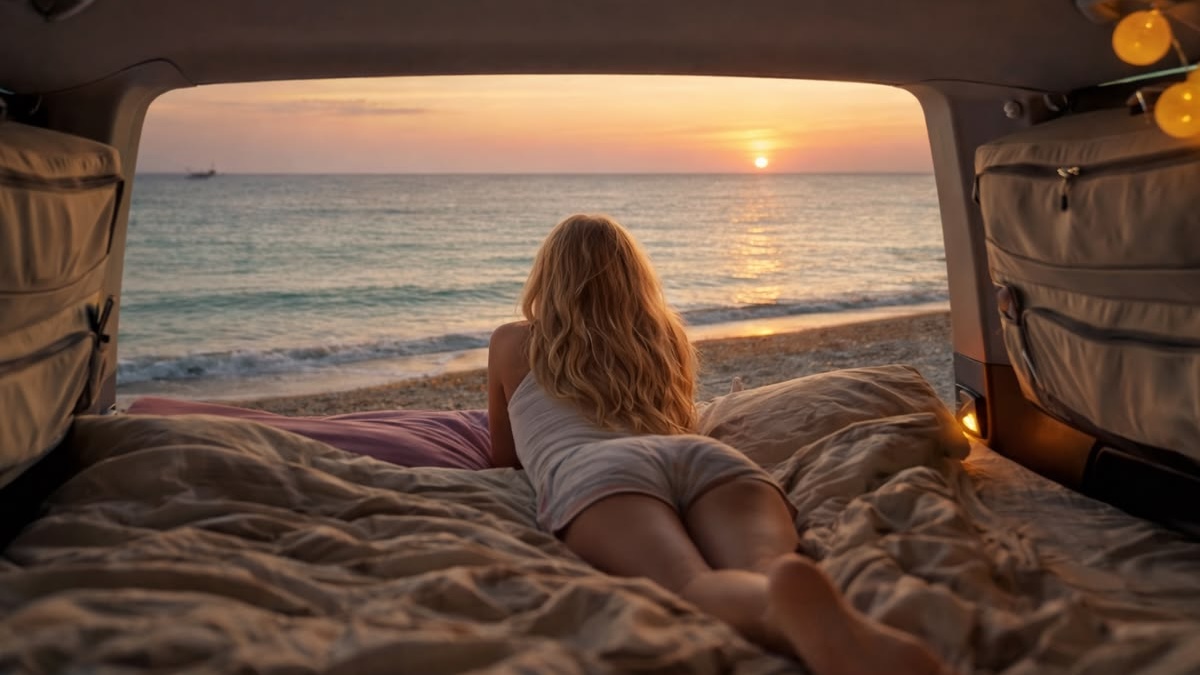
The Costa Blanca is the most practical base for a campervan trip from Valencia. In 200 kilometres of coastline you get urban beaches with full facilities and wild coves where you can watch the sunrise alone, plus motorhome stopovers, year-round campsites and water points every few kilometres. This campervan route is built for 3-5 relaxed days: no stage exceeds one hour behind the wheel, so nobody has to set an early alarm. It works as well with children on board as it does on a first campervan trip. Total distance: ~380 km return. Best time to go: year-round. We drove this route ourselves in July 2026, and every detail here is checked first-hand.
Day 1: Valencia → Cullera → Gandía (60 km)
We leave Valencia heading south on the V-31 motorway. First stop: Cullera, just 40 minutes away. Climb up to the Cullera lighthouse: the white tower against the Mediterranean looks best in the morning light. Racó beach works for a first swim, with fine sand and calm water, and the promenade takes care of the first coffee of the trip. In the afternoon we drive to Gandía. The motorhome stopover in Gandía has all services: water, waste disposal and electricity. Family option: Camping La Naranja. For dinner, try fideuá where it was invented: Gandía is the birthplace of the dish, so ask at the port-side restaurants.
Day 2: Gandía → Dénia → Jávea (50 km)
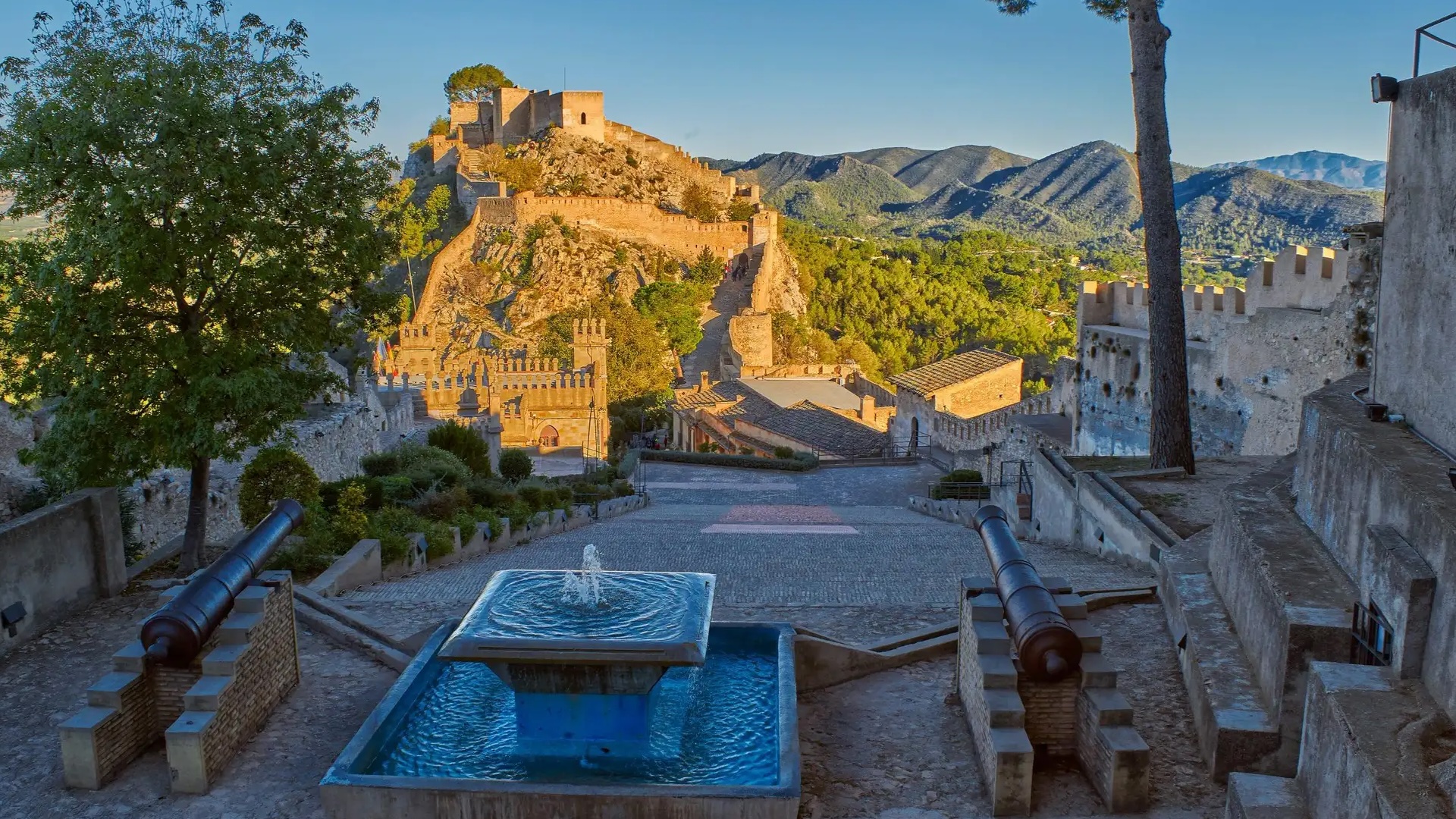
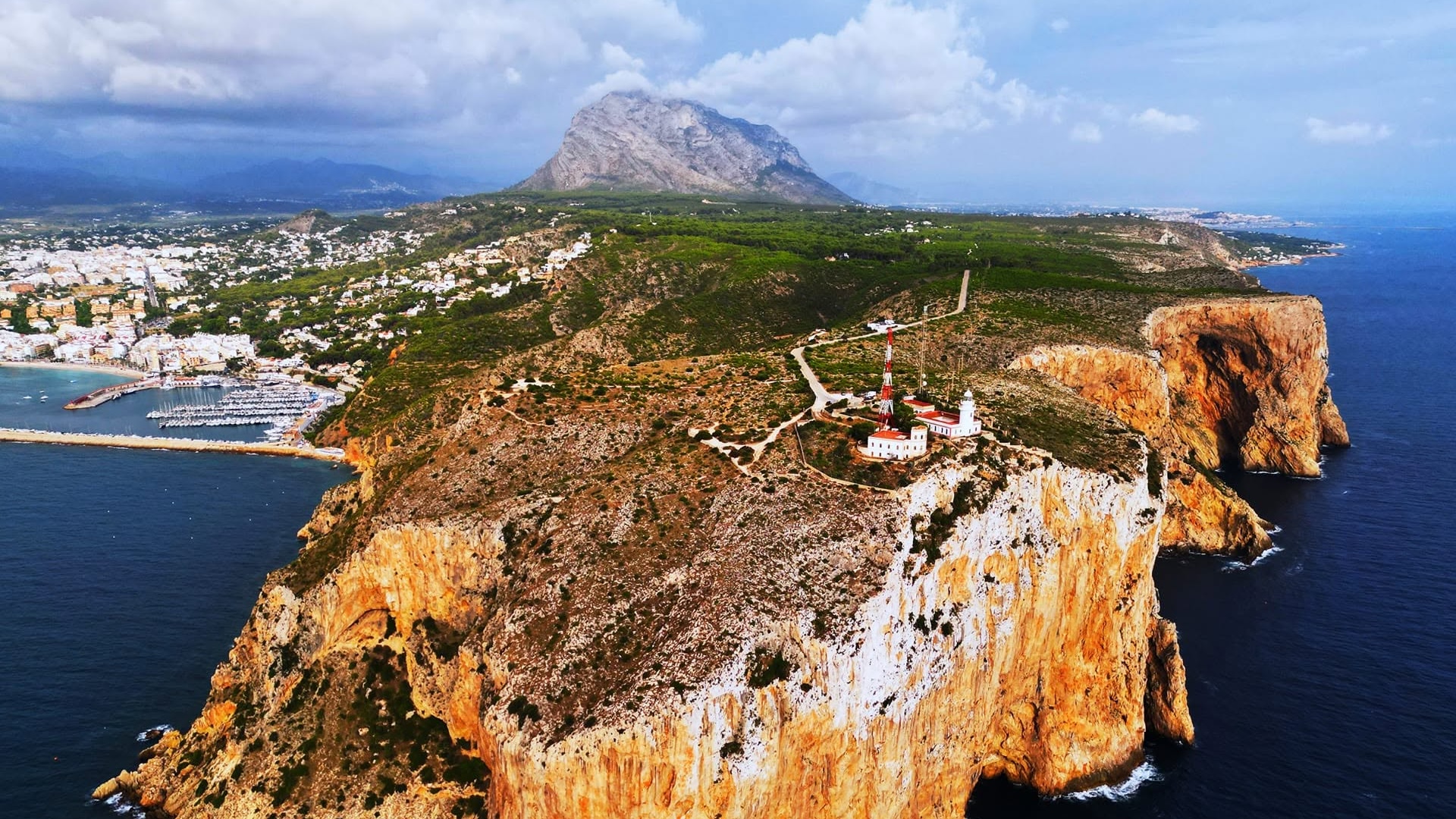
A short morning drive to Dénia along the N-332, the road that hugs the coast. Dénia's castle presides over the town and the fishing quarter Baix la Mar keeps its seafaring character; the municipal market sells the red prawn (gamba roja) of Dénia. After lunch, 15 minutes to Jávea. We always stop at Wecamp Jávea — a good campsite at a fair price. Book at reservations.wecamp.net. One thing to know: online booking in high season requires a 3-night minimum, but the reception desk will take 1-2-night stays if space allows — call +34 936 268 900 to check. At sunset, climb to the Cap de Sant Antoni viewpoint — 160-metre cliffs above the sea. Local tip: Cala Moraig and Cala Granadella appear in every guidebook, but we do NOT recommend them for a motorhome — the access roads are narrow with tight bends, and in high season it is impossible to park or turn around.
Day 3: Jávea → Calpe → Altea (40 km)
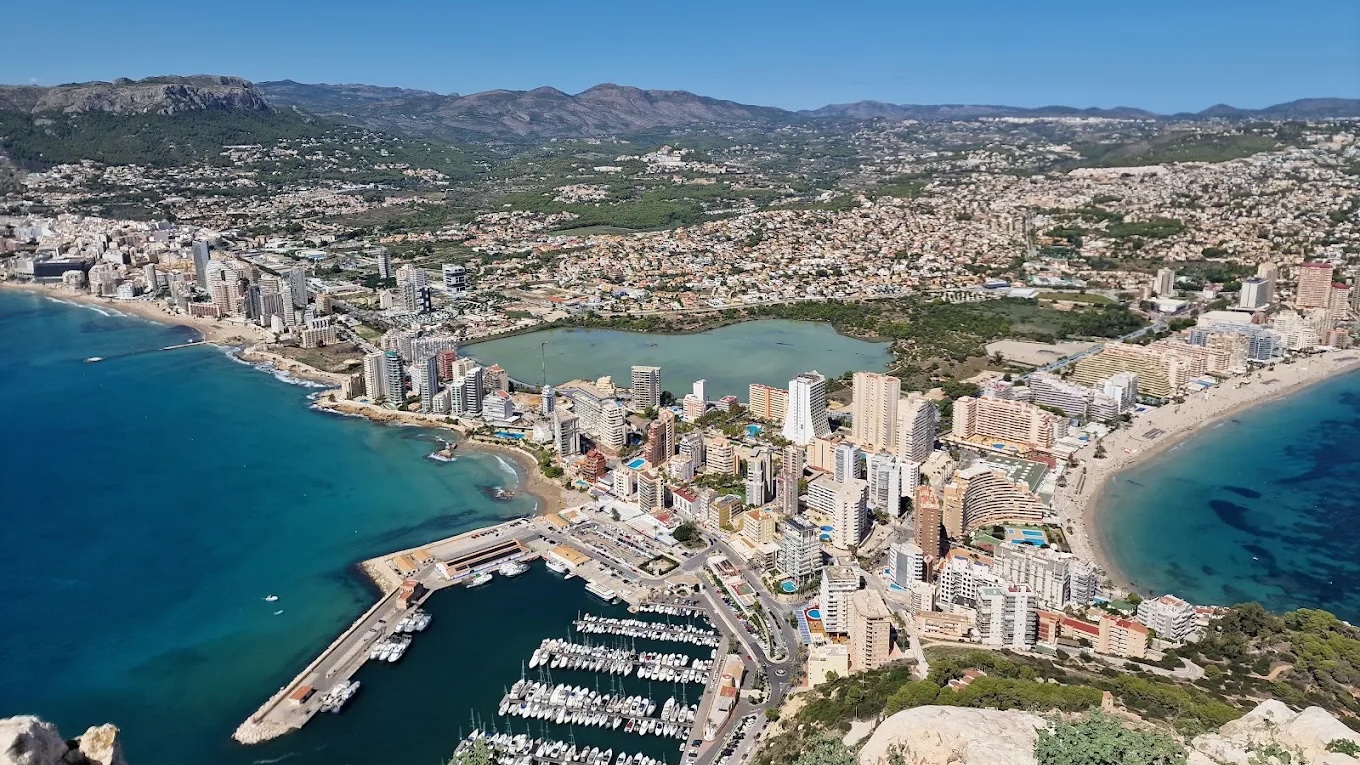
Above Calpe rises the Peñón de Ifach — 332 metres of rock emerging straight from the sea. The ascent takes around 2 hours return and opens up the whole bay from the top (wear closed-toe shoes). Afterwards, a chiringuito by Calpe's fishing port serving fish from the morning auction. In the afternoon, 20 minutes to Altea: white houses, cobbled lanes and the blue church dome glowing gold at sunset. For dinner, our tried-and-tested pick: El Negro Parrilla Restaurante (4.7 stars, 2,400+ Google reviews), right at the foot of the old town. Overnight: Altea area or Camping Cap Blanch near l'Albir beach.
Day 4: Altea → Racó de Conill → Villajoyosa (25 km)
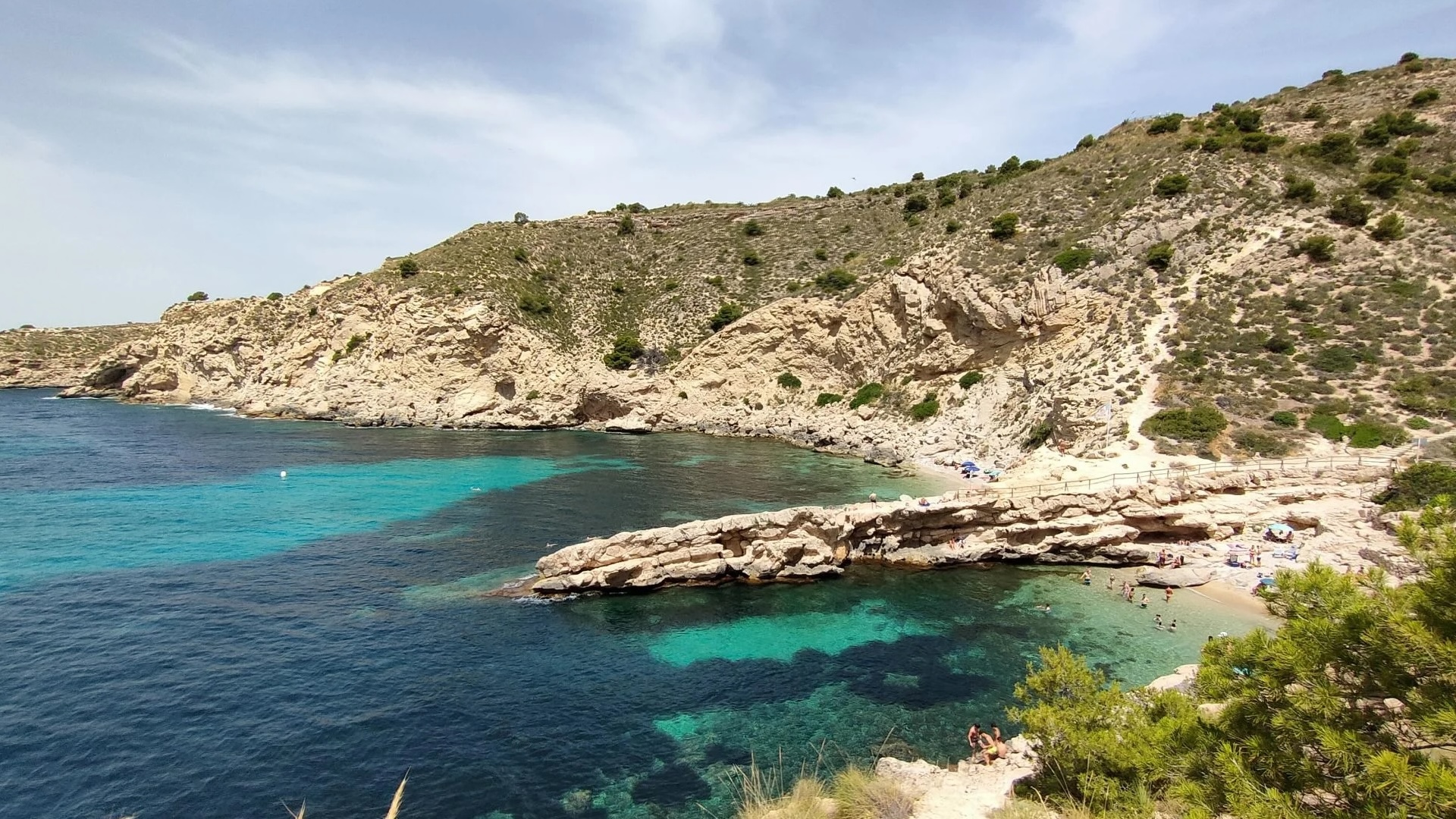
A day for secret beaches. Tucked between Benidorm and Villajoyosa lies Racó de Conill — a crystal-clear cove with no bar or music. Arrive early. Part of the cove is a naturist zone; the atmosphere is calm throughout. Travelling with children? We recommend Aqualandia waterpark in Benidorm (aqualandiabenidorm.com) — tickets bought online are cheaper than at the gate. In the afternoon, Playa Paradís in Villajoyosa: golden sand, shallow water great for children, and far fewer people than Benidorm. Villajoyosa has rows of colourful houses along the seafront and the Valor chocolate factory, with a free museum and tasting. Overnight: Villajoyosa stopover, 5 minutes' walk to the beach.
Day 5: Villajoyosa → Alicante → Valencia (180 km)
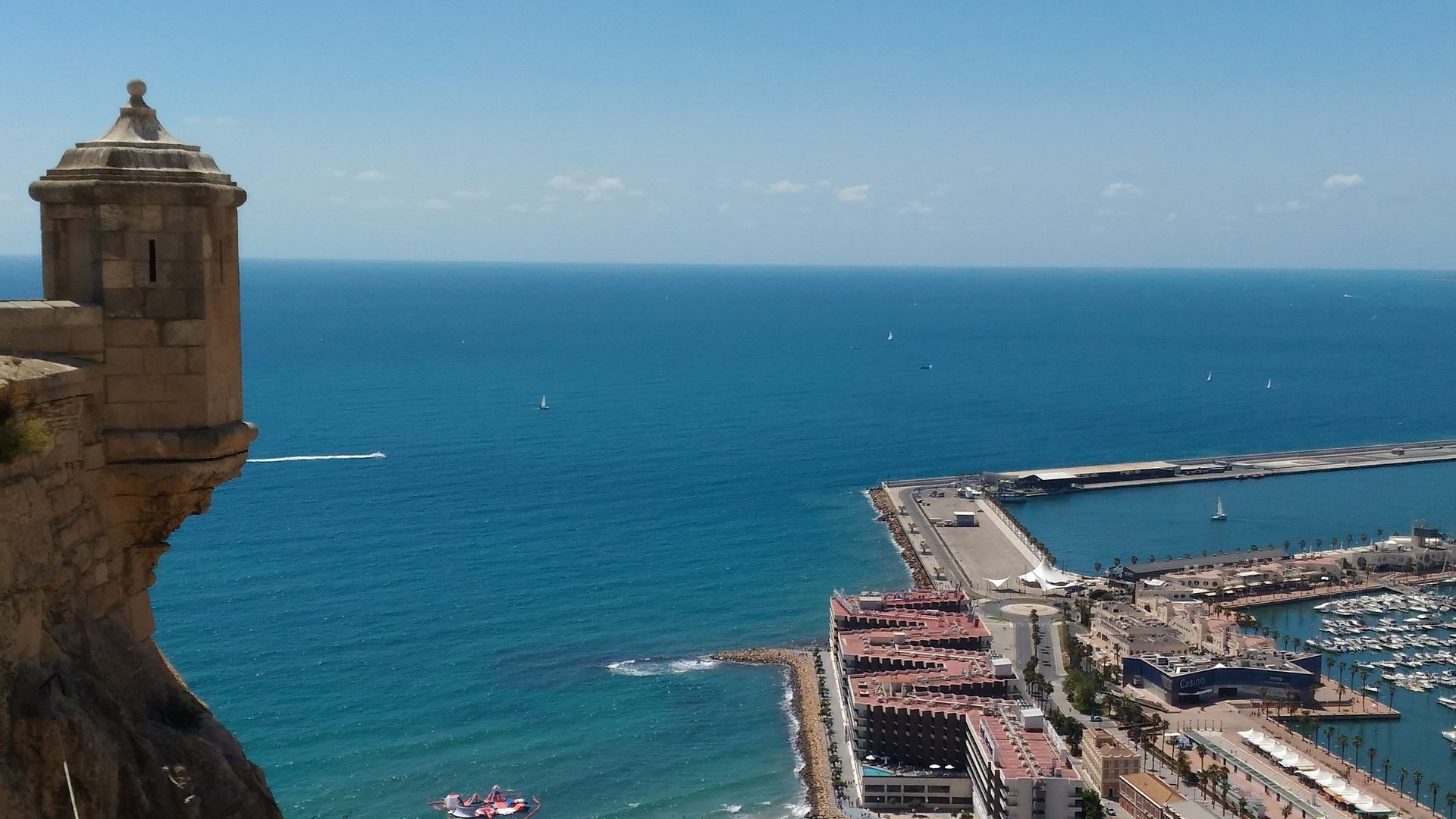
Final leg: 30 minutes to Alicante. A lift from Postiguet beach takes you up to the Castillo de Santa Bárbara, with the whole city below. The Explanada de España with its famous wave-pattern mosaic, the Mercado Central for provisions for the journey home. Return to Valencia via the AP-7, now toll-free — under 2 hours.
Practical tips
- 1Water and waste disposal: the stopovers in Gandía, Altea and Villajoyosa offer full service. At campsites it is included in the price.
- 2Essential app: Park4Night for finding stopovers, water points and overnight spots, with reviews kept current by other campervanners.
- 3High season (July–August): book Wecamp Jávea and campsites 2–3 weeks in advance. Public stopovers are first-come first-served — arrive before noon to secure a spot.
- 4Fuel: filling up in Valencia or Gandía is noticeably cheaper than in the coastal resorts. Fill the tank before you leave.
- 5Driving: the N-332 is scenic but congested in summer. The AP-7 runs parallel and is now completely toll-free — use it for the longer stretches.
Ready for the adventure?
Book your campervan in Valencia and start the adventure.
Our McLouis Yearling 89G fits this route well: compact enough for coastal roads, air-conditioned, with 3 beach chairs for the evenings by the sea.
Book your dates